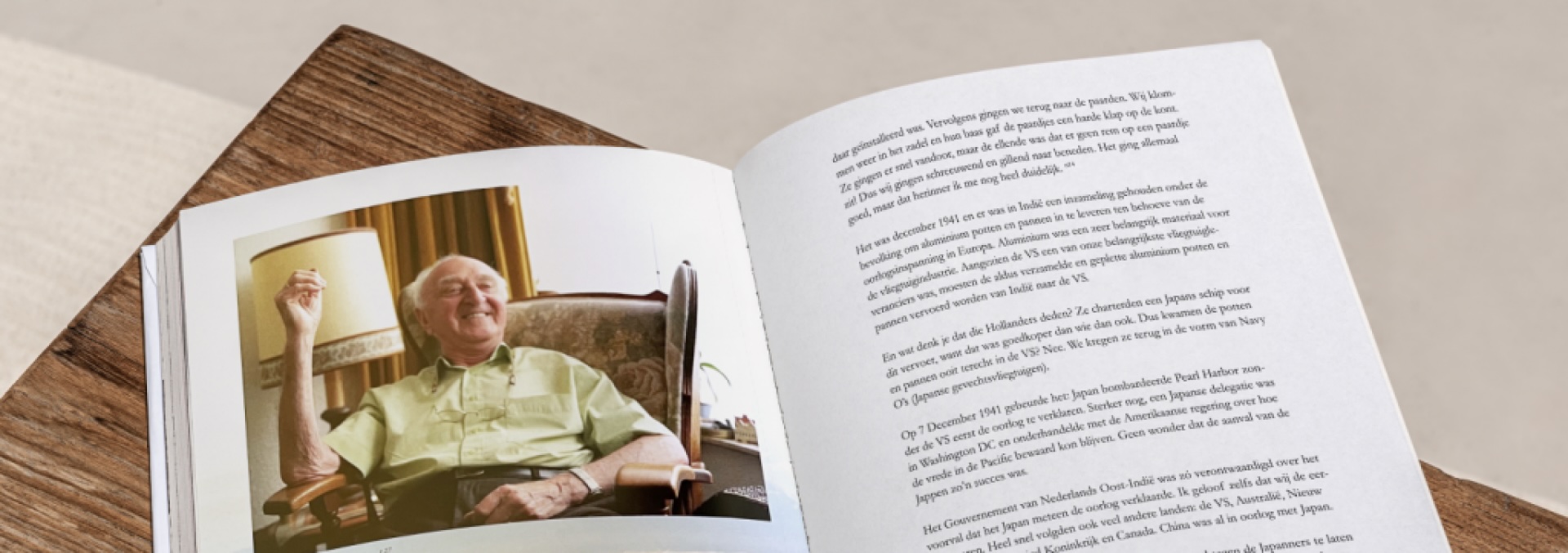
Willem Punt
Survivor of both the Junyo Maru and Pakanbaroe. With insight and reflection, Willem gives the reader the context and insight to understand life as a Dutch Prisoner of War in the former Dutch East Indies.
Told with empathy and humour, you’ll not want to put this book down.
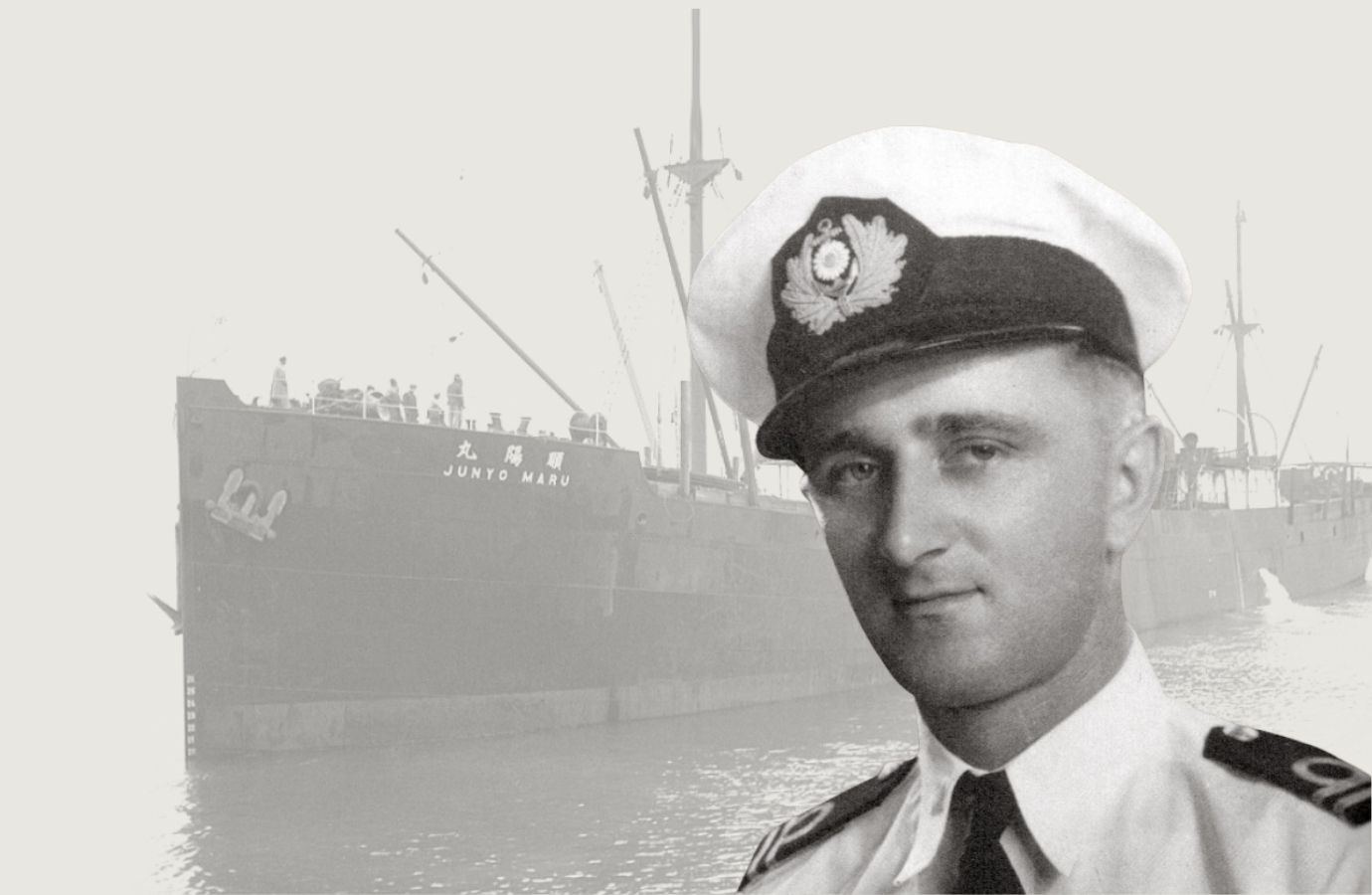
About Survivor
If you have not heard of the Junyo Maru or the Pakan Baroe, you are certainly not alone
They remain two Second World War disasters that are largely neglected by historians. In contrast, the “Bridge over the River Kwai” made the Burmese railway famous, and the Titanic is the only “sinking boat” most people can name. The Titanic claimed 1,500 lives, the Junyo Maru 5,620 – nearly four times as many.
“Survivor, is the story of my life as a sailor and how I survived World War II.”

Survivor tells the true survival story of Willem Punt as a POW in the Far East
Door Nicola Meinders
On 18 September 1944, a British submarine torpedoed the Japanese ship called the Junyo Maru. The Junyo Maru was carrying 6,500 captured prisoners of war (POWs) and Asian slaves to the Japanese forced labour camps on the island of Sumatra. Of the 6,500 passengers on board the ship, around 5,620 people died. This was the fourth largest WWII maritime disaster. Willem Punt was the last survivor of the Junyo Maru and the only one who recorded his story clearly. Wim lived a long and full life. He died at the age of one hundred, leaving behind a history that deserved to be remembered.
As if surviving the sinking of the Junyo Maru wasn’t enough horror to endure, Wim was then forced to work on the Pakan Baroe (or Pekanbaru) railway as a slave labourer, surviving again when over 82,500 people died. Of the 680 POW survivors of the Junyo Maru, only 100 more survived the forced labour on the railway.
Wim Punt only started talking about his stories in the latter part of his life. This was partly because it was too painful, but mainly because if he mentioned he was in Asia during the war, Dutch people thought he had an easy time in the sun, while they had suffered the cold winters. He empathised with their struggles and didn’t want to “compete” with the misery they had all endured. Wim doesn’t want sympathy but recognises empathy.
As a caveat to this story, Wim Punt had very few possessions in the first camps and anything he had managed to keep or was given was washed away with the sinking of the Junyo Maru. He didn’t have a watch during the war, and after the Junyo Maru he spent the rest of the war just wearing just a cloth and certainly had no personal possessions such as a pen and paper to record data and facts. He has no naval book from that time showing the ships he’d been on and the crossings he made. He recalled all of this from his phenomenal memory.
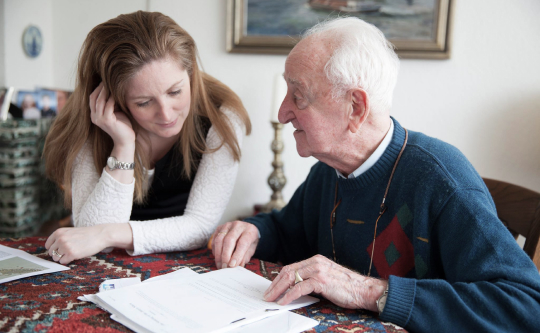
I admired Wim not only for his ability to survive so many atrocities and repeated encounters with death, but above all for his strength in finding his way back to ordinary life afterwards. What he had endured did not define him alone. The life he rebuilt carried equal weight.
Well into his nineties, he remained light-hearted and curious. He liked to join me on the dance floor, not to prove that he still could, but because life, to him, was still something to be enjoyed.
A few years before he died, when he was already in his nineties, I cycled with him through the town where he lived. As we passed familiar streets, he waved to neighbours, exchanged brief greetings, belonged. It moved me how naturally he occupied his place in the world. He was amused that passers-by might see him with a young woman and think that the old man still mattered. And he did.
That is why I felt compelled to write this story. At the time, my children were too young to truly understand what their great-grandfather had lived through, “when he was on a big ship that sank.” One day, they would need words to understand what that really meant.
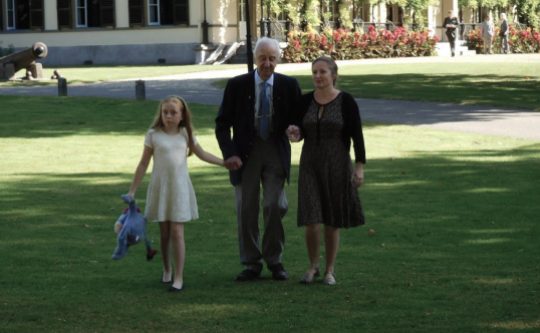
Wim Punt’s historical biography was launched at Bronbeek when he was 97 years old.
The Dutch version of the book was launched on the 8th September 2018 at Bronbeek, Arnhem. The Dutch Commander of the armed forces, Rob Bauer, together with the former Dutch Defense Minister and current Special Assistant to the General Secretary of the United Nations, Jeanine Hennis-Plasschaert, gave Willem Punt the first copy of the book. It was a beautiful launch for all involved. Afterwards Willem was asked to sign around 200 books.
The press showed photos from the event. More can be read on AD.nl, on the Dutch website for Defence:, in the national newspaper De Gelderlander and there are lots of beautiful photos from the day on the Traces of war website.
By using the contact form below, you agree to the privacy policy of this website.
Contact me
Order this unique book
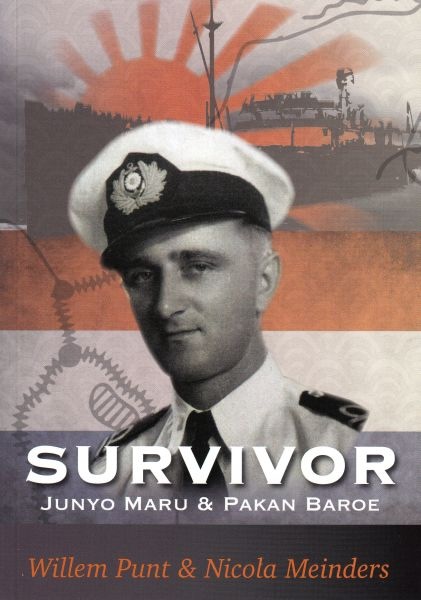
SURVIVOR - WILLEM PUNT & NICOLA MEINDERS
Dutch language edition. Paperback on stock. 176 pages. 15,- BUY NOW
SURVIVOR - WILLEM PUNT & NICOLA MEINDERS
English language KINDLE e-book edition. 176 pages. 9,99. BUY NOW
SURVIVOR - WILLEM PUNT & NICOLA MEINDERS
Paperback on stock. English language edition. 176 pages. 15,-. BUY NOW